
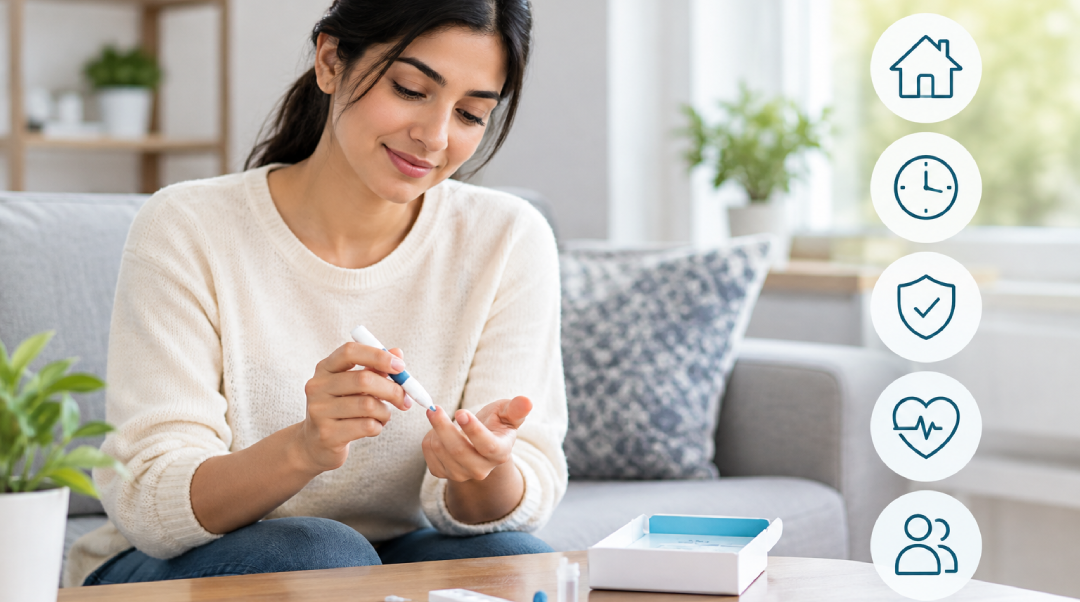
Getting routine blood work done used to mean taking time off, sitting in a waiting room, and rearranging your entire day around a lab appointment. That is changing quickly, as more people turn to convenient at home lab tests that bring the entire process to their doorstep. This shift is not just about convenience either, it reflects a broader change in how people want to manage their health.
The Traditional Lab Visit Problem
Visiting a lab or clinic for routine blood work often involves multiple inconveniences. There is travel time, waiting room delays, and sometimes taking time off work just to have a simple sample drawn. For busy professionals, parents, or anyone with a demanding schedule, this process can feel like a bigger commitment than it should be.
Why At-Home Testing Has Grown So Popular
Several factors have driven the rise in at-home testing over recent years.
Convenience Without Compromising Quality
Getting a blood test at home means a trained professional comes directly to you, at a time that fits your schedule. Samples are still processed through certified labs, meaning accuracy and reliability remain the same as an in-clinic visit.
Comfort for Anxious Patients
Some people feel more relaxed being tested in their own home rather than a clinical setting, which can genuinely make the experience easier, especially for those who feel anxious about needles or medical environments in general.
Better Suited for Certain Patients
Elderly patients, those recovering from surgery, or anyone with limited mobility often benefit enormously from at-home testing, since it removes the burden of traveling to a facility while unwell or physically limited.
What to Expect During an At-Home Test
A qualified professional, typically a DHA licensed nurse, visits your home with all the necessary equipment to draw your sample safely and hygienically. The process usually takes only a few minutes, after which the sample is transported to a certified lab for analysis, just as it would be with an in-clinic visit.
Common Tests Available at Home
Most routine blood tests can now be done at home, including:
- General health and wellness panels
- Cholesterol and lipid profiles
- Blood sugar and diabetes screening
- Vitamin and mineral level checks
- Thyroid function tests
This wide range means most people rarely need to visit a clinic just for standard testing.
Are Results Just as Accurate?
Since samples are processed by the same certified labs used for in-clinic testing, results from at-home tests are just as reliable. The only real difference is where the sample is collected, not how it is analyzed afterward.
Who Benefits Most from This Option
While at-home testing suits almost anyone looking for convenience, it is especially valuable for busy professionals, parents managing childcare schedules, elderly individuals, and anyone recovering from illness or surgery who would rather avoid unnecessary travel.
Booking the Process
Scheduling an at-home test is typically straightforward, often requiring just a quick booking through a phone call or app, followed by choosing a convenient time window for the visit.
What Happens After Testing
Once your sample has been processed, results are usually shared digitally, often alongside guidance from a medical professional if any values fall outside the normal range. This means you are not left interpreting numbers on your own without context.
Cost Considerations
Many people assume at-home testing must cost significantly more than a clinic visit, but pricing is often comparable, especially once you factor in the time saved from travel and waiting. Some providers, including Britnurse, also offer bundled packages for routine panels, which can make regular monitoring more affordable over time.
Building Regular Testing into Your Routine
Beyond one-off testing, many people are now using at-home services to build consistent health monitoring into their routine, whether that means quarterly wellness panels or regular checks for an ongoing condition. Because scheduling is so much easier than arranging a clinic visit, people are more likely to actually follow through with recommended testing intervals rather than repeatedly postponing them.
Privacy and Comfort
Testing at home also offers a level of privacy that some people value, away from busy waiting rooms and unfamiliar faces. This can make the entire experience feel calmer, particularly for anyone managing a sensitive health concern they would rather discuss quietly at home rather than in a public clinic setting.
Preparing for Your Test
Most at-home blood tests require minimal preparation, though certain panels, like fasting glucose or cholesterol, may require avoiding food for several hours beforehand. Staying well hydrated in the days leading up to your test can also make the sample collection process quicker and more comfortable.
Final Thoughts
The shift toward at-home lab tests reflect a genuine change in how people want to manage their health, prioritizing convenience without sacrificing accuracy or quality. Whether you are managing a busy schedule, recovering from illness, or simply prefer testing in a comfortable setting, at home lab tests offer a practical, reliable alternative to the traditional clinic visit.